
The Complete Guide to Screws: Wood vs Metal Applications
I’ve been on enough jobsites to know that grabbing the wrong screw can turn a simple project into a frustrating mess. I’ve watched guys strip out wood, crack expensive hardwood trim, and waste an hour trying to force metal screws into applications where they had no business being. The truth is, choosing the right screw isn’t rocket science, but it does require understanding what you’re working with.
Wood screws and metal screws aren’t interchangeable. They’re engineered differently because wood and metal behave completely differently under stress. Use the wrong one, and you’re looking at loose joints, stripped threads, or worse. Use the right one, and your project holds together for decades.
Let me break down what you actually need to know.
What Makes Wood Screws and Metal Screws Different
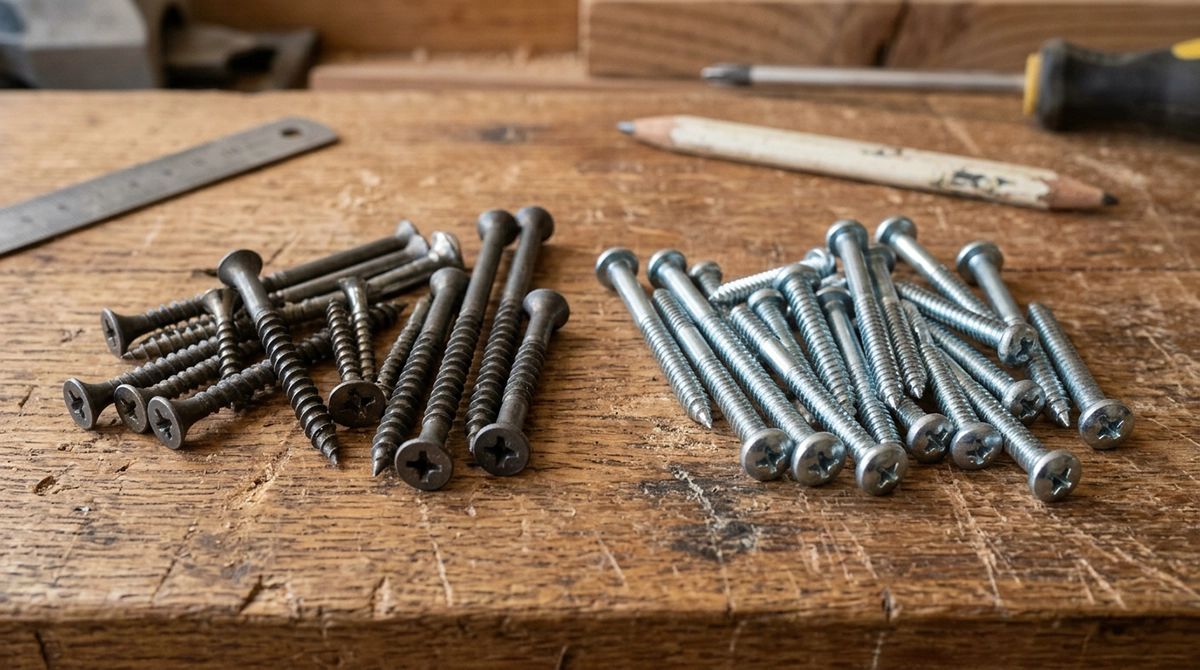
The differences between wood screws and metal screws come down to threading, shank structure, point type, materials, and intended application. These aren’t just cosmetic variations. They’re functional designs that determine whether your fastener holds or fails.
Threading and Shank Design
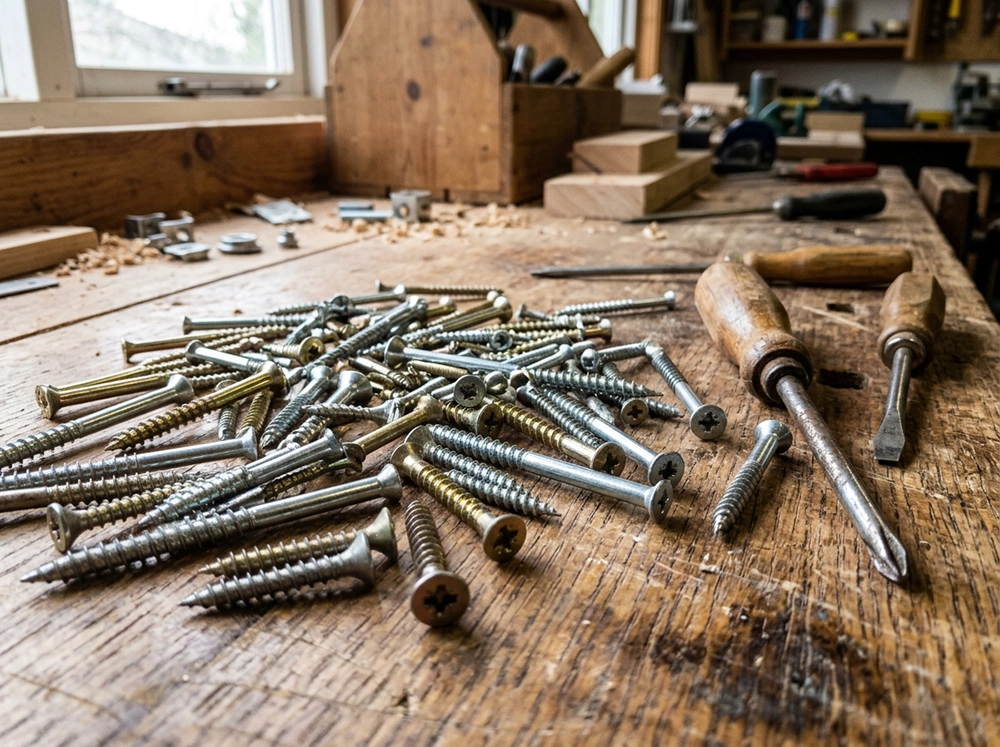
Wood Screws feature coarse, deep threads with a partially threaded shank. The threading typically runs only on the lower part of the screw, usually up to about one inch. The smooth shank near the head serves a specific purpose: it allows the screw to pull wood pieces tightly together without splitting the material.
This design also reduces binding and makes it easier to remove, replace, or adjust screws in wooden materials. If you’ve ever tried backing out a fully threaded screw from hardwood, you know what a pain that can be. The partially threaded design of wood screws makes that process much more manageable.
Metal Screws have finer, tighter threading running along the entire length of the screw. This continuous threading offers a secure grip in metal and hard plastics, preventing slippage and loosening under stress. Metal screws are often self-tapping or self-drilling, allowing them to cut their own threads or bore into metal substrates without pre-drilling.
The fine threads on metal screws create more contact points with the material, which is essential when you’re working with materials that don’t compress like wood does.
Points and Tips
Wood Screws commonly have sharp, pointed tips designed to easily cut into soft and hard woods. This reduces the need for pilot holes in most applications, though I still recommend drilling pilots in hardwoods to prevent splitting.
Metal Screws come with a variety of tips depending on their specific application. Sharp self-tapping points work well for thin metals. Self-drilling points (often called Tek screws) can bore through heavier gauge steel. Some types require pre-drilled holes, especially when used with nuts in machine screw configurations.
The tip design matters more than most people think. A self-drilling screw can save you serious time on metal framing projects, while a standard sharp point might just skate across the surface and gouge your material.
Material and Coating
Wood Screws are typically made from steel (plain or coated for corrosion resistance), brass, copper, or specialty alloys for demanding environments. Outdoor wood screws often feature coated steel or stainless steel for weather resistance.
I’ve seen too many deck projects where someone used plain steel screws. Two winters later, those screws are rusted, staining the wood, and the heads are breaking off. Don’t be that guy. Use coated or stainless screws for anything exposed to moisture.
Metal Screws are manufactured from hardened steel, stainless steel, or special alloys for strength and resistance to deformation under torque. Plating options, such as zinc or galvanization, enhance corrosion protection for outdoor or heavy-duty uses.
The hardness of metal screws is critical. They need to cut threads into metal without stripping or snapping. That requires heat-treated steel that can handle significant torque.
When to Use Wood Screws vs Metal Screws
Here’s a practical breakdown of what to use where:
For Plywood, Lumber, and MDF: Use wood screws with coarse threads and sharp points. These work for decking, cabinetry, and framing applications.
For Sheet Metal and Metal Frames: Use metal screws (sheet metal screws) with fine threads and self-tapping capability. These are essential for HVAC assembly and metal enclosures.
For Metal Panels to Wood: Use wood-to-metal self-tapping screws with wings and specialized threads. These work great for metal brackets on wood or sunroom construction.
For Thick Steel and Heavy Load Applications: Use machine screws with nuts. These are fully threaded and can handle high torque for machinery and structural assembly.
The key is matching the screw to both the material and the load requirements. A drywall screw might work fine for hanging a picture frame, but it’ll snap if you try using it for structural applications.
Types of Screws for Wood Applications
Let me walk you through the main types you’ll encounter:
Standard Wood Screws are the most common type, partially threaded for wood-to-wood joining. These are your go-to for general carpentry and furniture building.
Deck Screws are treated for outdoor use and corrosion resistance. They feature deep threads for strong holding power in pressure-treated lumber and composite decking materials. The coating on quality deck screws prevents the rust staining that ruins the appearance of outdoor projects.
Drywall Screws are thin and self-drilling, used for attaching drywall to wood or light metal studs. The bugle head design allows them to sink slightly below the surface without tearing the paper face of the drywall.
Pocket Screws typically feature square or Robertson drive heads and are used for pocket-hole joinery. This technique creates strong joints in cabinetry and furniture building without visible fasteners on the face of the work.
Lag Screws are thick and heavy-duty, ideal for structural work or attaching heavy hardware to wood. These require pre-drilled pilot holes and are driven with a wrench or socket rather than a screwdriver. I use these for attaching ledger boards, heavy shelving brackets, and anywhere serious holding power is required.
Types of Screws for Metal Applications
Metal fastening requires different approaches:
Sheet Metal Screws are fully threaded with sharp points for thin metal. They’re frequently self-tapping, meaning they cut their own threads as you drive them. These work great for HVAC ductwork, metal roofing, and thin gauge steel framing.
Self-Drilling (Tek) Screws feature a drill-shaped tip that can penetrate thick steel. These are common in roofing and metal framing because they eliminate the need for pre-drilling. The time savings on large projects is substantial.
Machine Screws have uniform threading and are used with nuts or tapped holes for the strongest hold. These are what you’ll find in machinery, automotive applications, and anywhere precise threading and high clamping force are required.
Wood-to-Metal Screws feature special wings or flutes to clear wood and then cut into metal. The wings break off after clearing the wood for a flush fit. These are specifically engineered for mixed-material applications and work surprisingly well.
Choosing the Right Screw for Mixed Material Projects
Mixed material projects present unique challenges. When you’re joining wood to metal (attaching wooden panels to a steel frame or installing metal hardware on wood), you need fasteners designed for both materials.
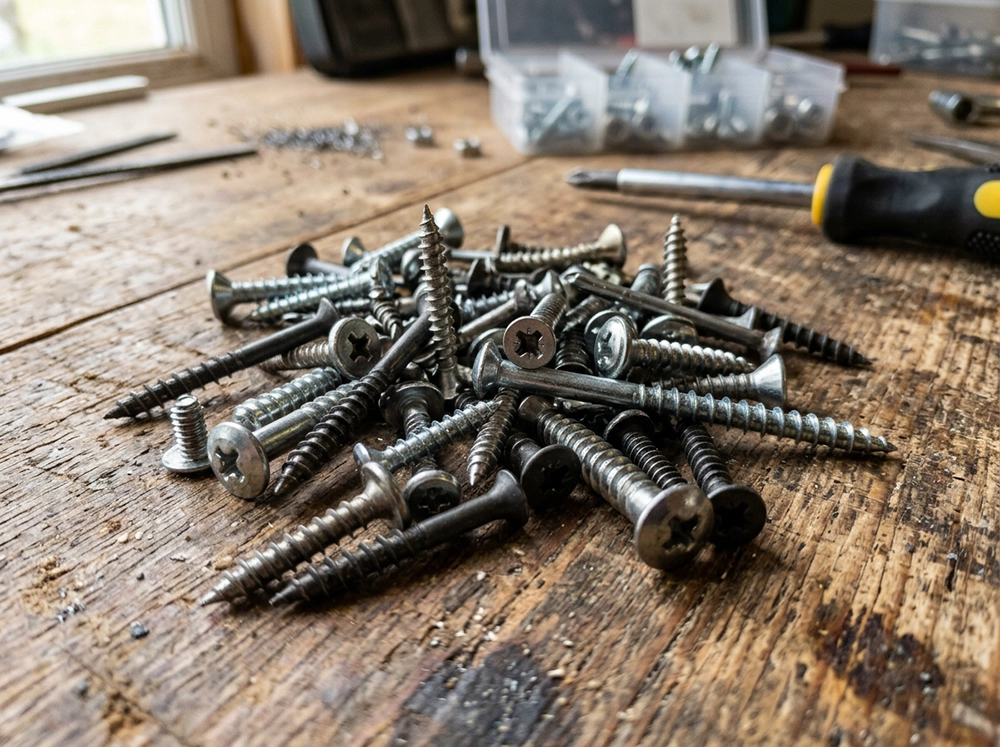
Wood-to-metal self-tapping screws combine strong holding power with easy installation, often eliminating the need for pilot holes. The specialized threading grips both materials effectively.
Make sure the screw’s length and thread style match both materials for maximum security and durability. Too short, and you don’t get adequate penetration into the metal. Too long, and you risk the screw bottoming out or protruding dangerously on the other side.
I’ve used these screws extensively on sunroom installations where wood framing meets aluminum extrusions. The right fastener makes the difference between a solid installation and one that loosens over time.
Expert Tips for Buying Screws
After installing thousands of screws across countless projects, here’s what actually matters:
Match the screw material and coating to your project’s environment. Use stainless or galvanized screws for outdoor or wet areas. This isn’t optional if you want your work to last. The few extra dollars you spend on proper fasteners will save you from callbacks and repairs down the road.
Choose the correct length. The screw needs to be long enough to penetrate both pieces securely, but not so long that it damages the opposite surface or pokes through where it shouldn’t. A good rule of thumb: the screw should penetrate the second piece by at least the thickness of the first piece.
Thread selection matters. For hardwoods, use finer threads. Use coarse threads for softwoods and plywood. The denser the material, the finer the thread you want. This maximizes holding power without splitting the wood.
Consider the head style. Countersunk heads sit flush with the surface, which is what you want for most finish work. Pan and round heads protrude above the surface, which can be useful for applications where you need the fastener to be removable or where you’re attaching thin materials that might pull through a countersunk head.
Buy from reputable suppliers. At My Main Supply, you’ll find a wide variety of fasteners for any application. Their 57,000 square foot facility maintains extensive inventory, and their purchasing power translates to competitive pricing. When you need the right screw for wood, metal, or mixed-material projects, having access to quality fasteners from standard woodscrews to specialty sheet metal and structural screws makes all the difference.
What It Comes Down To
Choosing between wood screws and metal screws isn’t complicated once you understand the fundamental differences. Wood screws have coarse threads and partially threaded shanks designed to pull wood together without splitting. Metal screws have fine threads running the full length to grip hard materials securely.
Match your fastener to your material, consider the environment, and don’t cheap out on quality. The right screw installed properly will outlast the materials it’s holding together. The wrong screw will fail, and you’ll be back doing the job again.
If you’re unsure what you need for a specific project, talk to the team at My Main Supply. They stock everything from basic wood screws to specialized fasteners for unique applications, and they can help you select exactly what you need.
Contact My Main Supply:
Phone: 1-800-494-4794
Email: [email protected]
Get the right fasteners the first time, and your projects will hold together the way they’re supposed to.
